
How to choose a safe place for permanent makeup
Risk depends most on hygiene and ink quality. Here is what regulators advise.
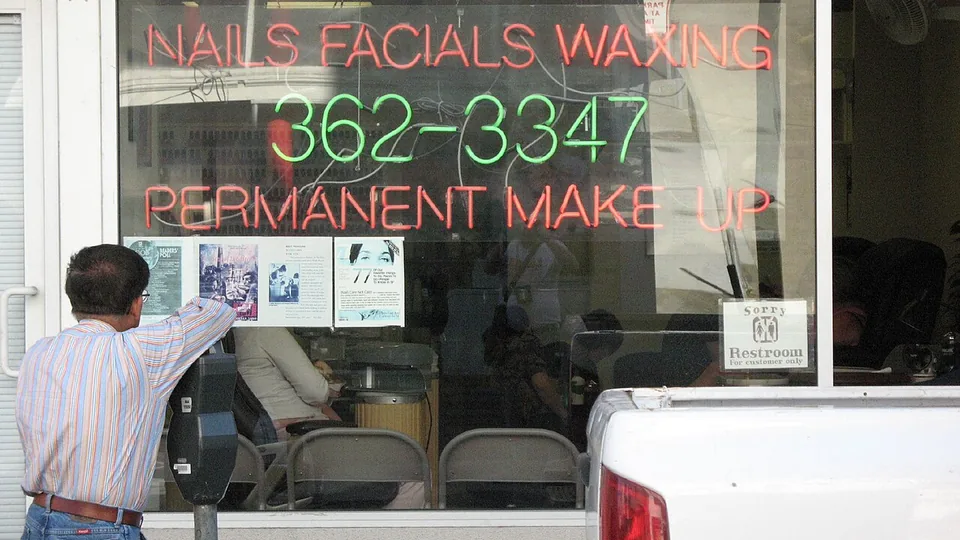
Hygiene
The FDA advises choosing a regulated facility, because sterility and ink handling are essential; tattooing practice itself is regulated locally [1].
The ink label
In the EU/EEA, mixtures intended for tattooing or permanent makeup must carry that statement, an ingredient list and safety statements; consumers can check this on the packaging [2]. ECHA also notes that the restriction covers chemical content only, while the risk of unsterile needles is a separate issue [2].
Why it matters
12 people were infected after eyebrow permanent makeup by the same freelance artist; bacterial DNA was found in the ink [3]. The FDA also reminds that pigments can be contaminated and that many are not approved for skin contact [1].
Questions worth asking
- Whether the specialist trained for your area (especially eyelids) and can show how work healed a year later.
- Which pigments are used, and whether there is a lot number and EU labelling.
- Whether needles and tips are single-use and how the work surface is disinfected.
- What happens if you dislike the result: correction or laser removal and how long that can take.
Why not just anyone
A review of eye-area tattoos stresses that procedures should be done only by qualified specialists who understand ocular anatomy, and that the most serious risk is visual impairment from improper technique [4]. Another review reminds us that infections can be bacterial, viral or fungal, so sterile work is essential [5].
Red flags
- Reluctance to show pigment packaging or certificates.
- Promises of “no healing” or “for life” – pigment fades and touch-ups are normal [6].
- Pressure to decide quickly or unwillingness to discuss possible complications.
Do ask the artist about single-use materials and the ink packaging.
Sources
The statements in this article are backed by these sources (links open in a new window).
- Tattoos & Permanent Makeup: Fact SheetU.S. Food and Drug Administration · Authority · 2026-11-06
- Tattoo inks and permanent make-up (REACH restriction)European Chemicals Agency (ECHA) · Authority · 2026-11-06
- Giulieri S et al. Outbreak of Mycobacterium haemophilum infections after permanent makeup of the eyebrows. Clin Infect Dis 2011Clinical Infectious Diseases (Europe PMC abstract) · Study · 2026-11-06
- Lee KWA et al. Ocular and periocular tattoo adverse effects: a review. Diagnostics (Basel) 2024Diagnostics (Europe PMC abstract) · Study · 2026-11-06
- Mohammodu ZP et al. Tattoo-related skin reactions: clinical complications, emerging trends, and management strategies. Mo Med 2025Missouri Medicine (Europe PMC abstract) · Study · 2026-11-06
- Shishak M, Kuthial M. Eyebrow microblading: science, art, and complications. Skin Appendage Disord 2025Skin Appendage Disorders (Europe PMC abstract) · Study · 2026-11-06
This information is for general reading and does not replace a consultation with a doctor or specialist.