
Laser hair removal by body area: face, underarms, bikini, legs
Most body areas can be treated with a laser, but some cannot. The price varies with the size of the area, while preparation requirements are similar.
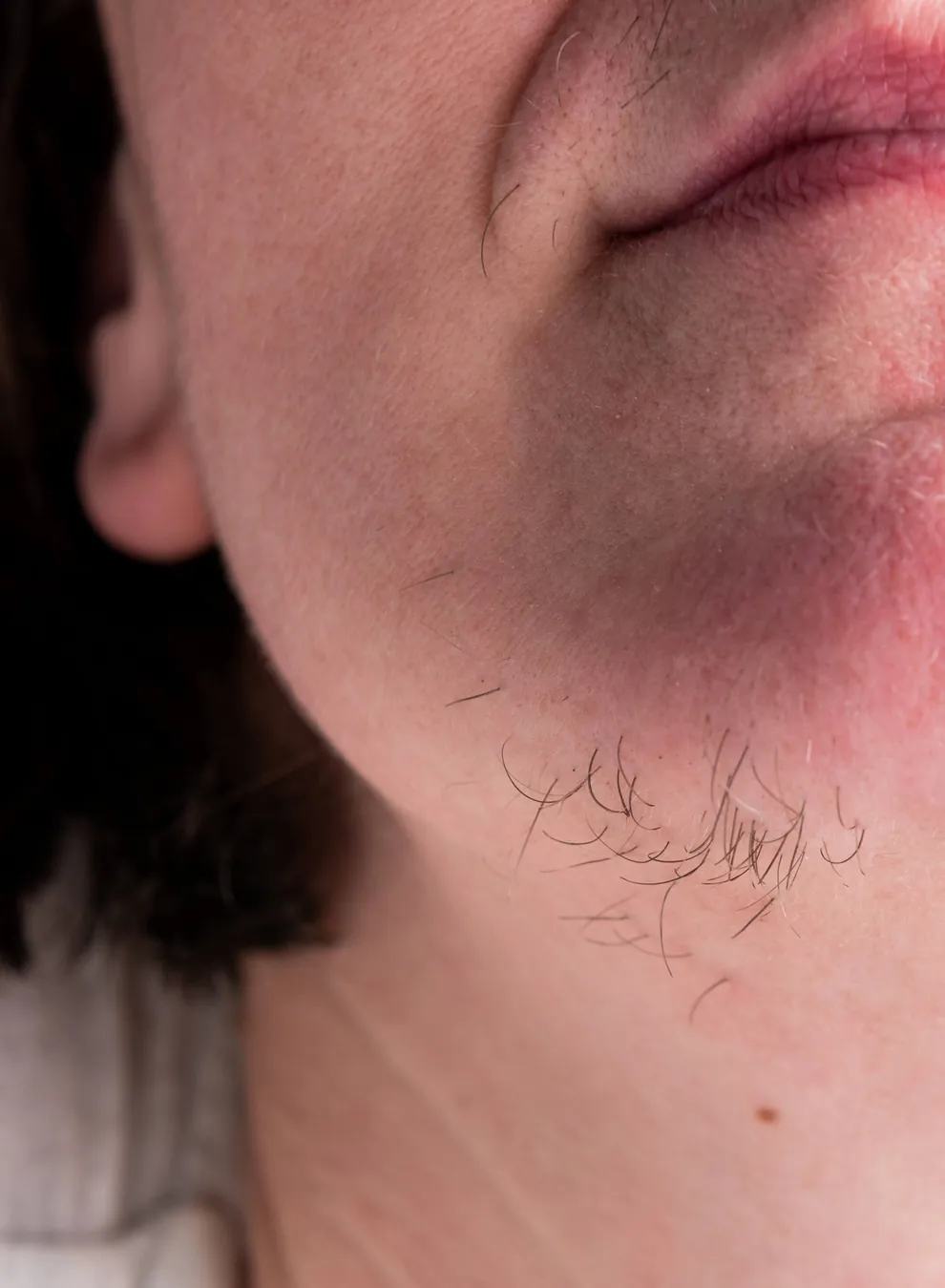
Where lasers are used
Mayo Clinic lists the most common areas: legs, underarms, upper lip, chin and bikini line; most body areas can be treated [1]. Lasers are not used on the eyelids, eyebrows and nearby skin, or on tattooed skin [1]. A laser is not recommended near the eyes because of the risk of serious injury [1].
Facial areas
Upper lip, chin, cheeks and the whole face are small areas where care is often needed. If hair growth is driven by hormonal conditions, it may keep growing, so ongoing treatment may be needed [1]. Single-session prices at the clinic: upper lip €33, chin €49, full face €66.
Body areas
Single-session prices at the clinic: underarms €66, classic bikini €77, Brazilian €104, lower legs €70, thighs €85, full legs €150, back €121. The full list and package prices are on the procedure page.
What is the same for every area
- Dark hair on fair skin responds best [1].
- Most people need 4 to 8 treatments several weeks apart [1]; the AAD says 2 to 6 treatments 4 to 6 weeks apart [2].
- Before treatment, shave, avoid sun and stop waxing 4 weeks ahead [1].
- After a series, hair may regrow – usually finer and lighter [2].
How to plan
If you want several areas treated, say so from the start and discuss how best to plan them. In the ideal case (fair skin, dark hair), one treatment reduced hair by 10–40% and the effect lasted up to 12 months [3].
The result depends on the hair, the skin and the area; no guarantees are given.
Sources
The statements in this article are backed by these sources (links open in a new window).
- Laser hair removalMayo Clinic · Guideline · 2026-11-21
- Laser hair removal: FAQsAmerican Academy of Dermatology · Guideline · 2026-11-21
- Lepselter J, Elman M. Biological and clinical aspects in laser hair removal. J Dermatolog Treat 2004Journal of Dermatological Treatment (Europe PMC abstract) · Study · 2026-11-21
This information is for general reading and does not replace a consultation with a doctor or specialist.