
Permanent makeup pigments: who regulates them and what regulators say
The pigment stays in the skin for years, so it is worth knowing who checks it.
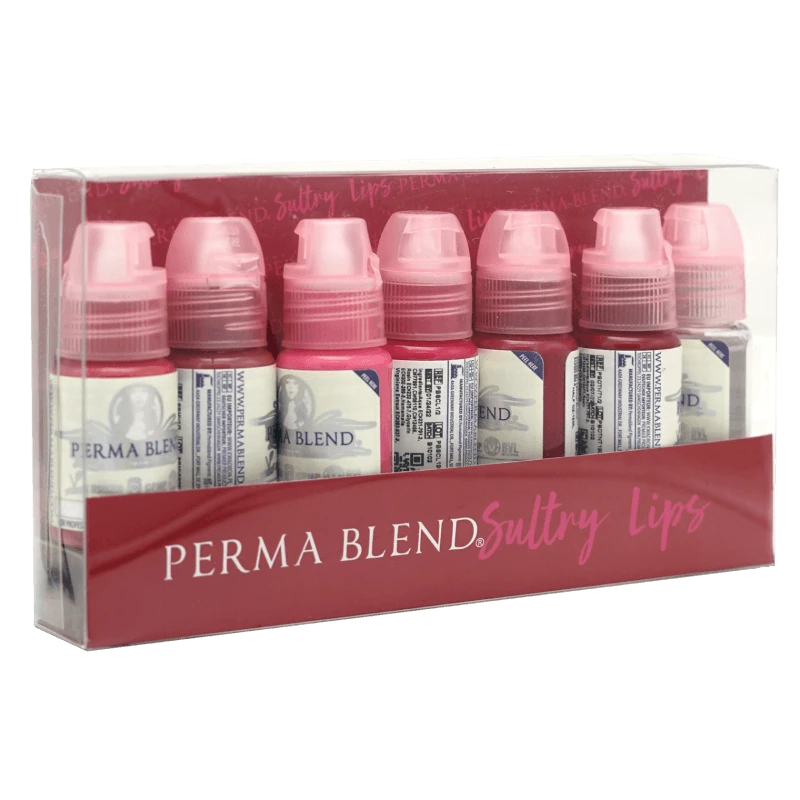
EU: the REACH restriction
The European Chemicals Agency (ECHA) describes an EU restriction on tattoo inks and permanent-makeup pigments under REACH: since 4 January 2022 the content of hazardous substances is limited, and two widely used pigments (Pigment Blue 15:3 and Pigment Green 7) have a separate date, 4 January 2023 [2]. The rules apply to ink manufacturers and suppliers, including labelling.
US: the FDA approach
The FDA fact sheet says tattoo inks and PMU pigments are cosmetics in the US while colour additives are not approved for injection into the skin; the agency warns of contaminated inks, infections, allergic reactions, granulomas, scarring and difficulty with removal [1].
Why composition matters
A review of skin complications of tattoos stresses that reactions can be allergic or non-allergic and that pigment composition and additives are part of the problem; symptoms can appear years later [3].
What to ask your specialist
- Who makes the pigments, and is there a lot number and expiry date.
- Whether the pigments meet EU REACH requirements and whether the label says so.
- Whether the pigment is opened and used for you alone, and whether everything is sterile and single-use.
- Whether there is an allergy test or a test spot if you are prone to allergies.
Sources
The statements in this article are backed by these sources (links open in a new window).
- Tattoos & Permanent Makeup: Fact SheetU.S. Food and Drug Administration · Authority · 2026-11-06
- Tattoo inks and permanent make-up (REACH restriction)European Chemicals Agency (ECHA) · Authority · 2026-11-06
- Bălăceanu-Gurău B et al. Cutaneous adverse reactions associated with tattoos and permanent makeup pigments. J Clin Med 2024Journal of Clinical Medicine (Europe PMC abstract) · Study · 2026-11-06
This information is for general reading and does not replace a consultation with a doctor or specialist.