
Lasers for pigmentation: what research shows
A laser is not the only, and not always the first, tool against pigmentation. Here is what the latest data show.
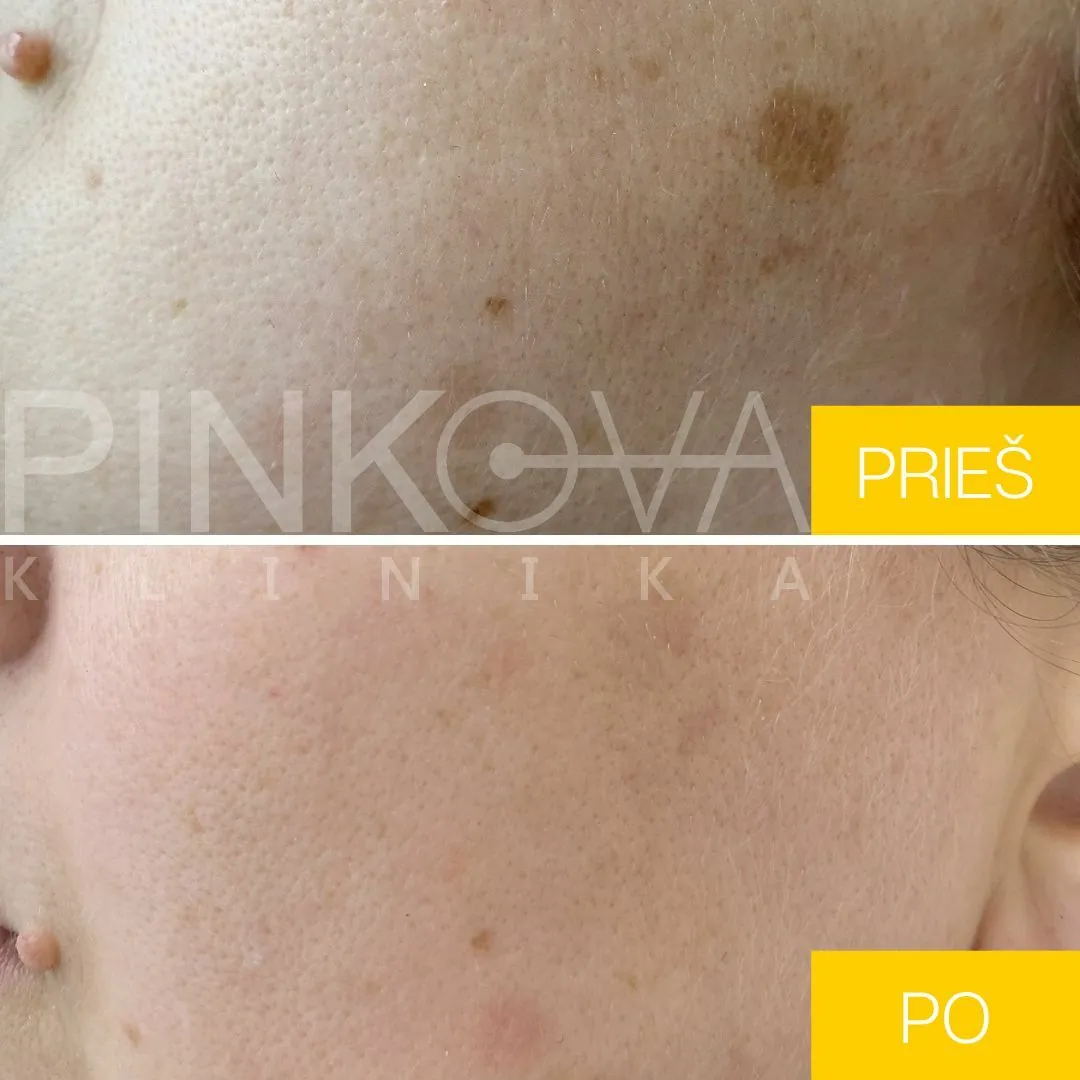
The principle
Selective photothermolysis underlies laser therapy: light acts selectively on melanin, blood vessels or water. A review singles out Q-switched and picosecond lasers for tattoos and lentigines (sun spots) [2].
What the meta-analysis found
In a 2026 systematic review and meta-analysis (52 studies, 1,058 participants), laser therapy for melasma overall showed a trend towards improvement that was not statistically significant; low-fluence Q-switched Nd:YAG gave a statistically significant improvement, picosecond and fractional lasers did not. Heterogeneity was high, the certainty of evidence was rated very low, no serious adverse events were reported, and transient redness and burning were common [1].
The authors’ conclusion
Because relapse is frequent, the authors conclude that lasers should be combined with strict sun protection and depigmenting agents [1]. An earlier review likewise stresses broad-spectrum sunscreen and hydroquinone as the most common treatment, with peels and lasers as additional options [3].
Laser or cryotherapy: the solar lentigo case
In a meta-analysis of 5 randomised trials of solar lentigines (Q-switched Nd:YAG, pulsed-dye, argon and CO2 lasers versus cryotherapy), there was no significant difference in marked or moderate improvement, but lasers more often achieved at least 50% improvement, and side effects were comparable. Four trials were at high risk of bias, so the authors call for further trials [4].
Why assessment before the procedure matters
A review of laser complications lists pigment change among late complications and names patient assessment and treatment planning as key to prevention [5]. That is why a spot should be examined by a specialist before it is lasered.
Each spot needs an assessment; a laser does not suit all of them.
Sources
The statements in this article are backed by these sources (links open in a new window).
- Aljoaib NN et al. Efficacy and safety of laser-based therapies for melasma: a systematic review and meta-analysis. Cureus 2026Cureus (Europe PMC abstract) · Study · 2026-11-06
- Park S et al. Strategic selection of multi-parametric laser settings and clinical endpoints in dermatology. Lasers Med Sci 2026Lasers in Medical Science (Europe PMC abstract) · Study · 2026-11-06
- Gupta AK et al. The treatment of melasma: a review of clinical trials. J Am Acad Dermatol 2006Journal of the American Academy of Dermatology (Europe PMC abstract) · Study · 2026-11-06
- Almohideb M. Safety and efficacy of laser versus cryotherapy in the treatment of lentigines: a systematic review and meta-analysis of randomized controlled trials. Galen Med J 2026Galen Medical Journal (Europe PMC abstract) · Study · 2026-11-06
- Nguyen L et al. Complications of laser and energy-based procedures in dermatology: classification, management, and prevention. J Dtsch Dermatol Ges 2026Journal der Deutschen Dermatologischen Gesellschaft (Europe PMC abstract) · Study · 2026-11-06
This information is for general reading and does not replace a consultation with a doctor or specialist.