
What permanent makeup is and how it changes over time
Permanent makeup is pigment placed into the skin with a tattoo device. It helps to know that it is not forever and changes with time.
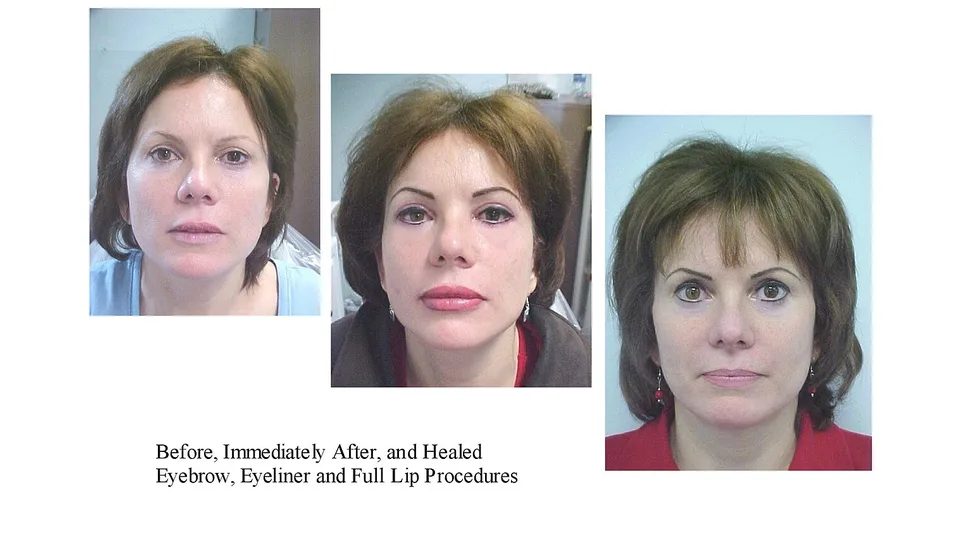
What it is
Cosmetic tattoos that simulate makeup are called micropigmentation: pigment is implanted into the skin with a tattoo device. The technique is also used to camouflage vitiligo and scars [1]. The US FDA notes that the pigment is placed under the skin (intradermally), for example as permanent eyeliner or eyebrows [2].
Which inks are allowed in the EU
Since 4 January 2022 an EU/EEA REACH restriction has applied: it limits more than 4,000 hazardous chemicals in tattoo and permanent makeup inks, and the packaging must state that the product is for tattooing and list the ingredients [3].
How pigment changes
The FDA reminds that pigment may fade, migrate or look dated as skin tone, facial contours or styles change, and that after facial cosmetic surgery the makeup may look distorted [2]. Removal is difficult and usually takes several laser treatments [2]. A dermatology review lists dissatisfaction with colour and shape and fading among the possible problems [1].
Why pigment fades and where it sits
A description of eyebrow micropigmentation says synthetic pigment is placed with fine needles into the superficial dermis and stays until the body processes it and the colour clinically fades – roughly 12–18 months [4]. So “permanent” does not mean “forever”, and colour and shape touch-ups are a normal part of practice.
Which areas are done and how they differ
- Brows and lips are the commonest areas; a review of skin reactions lists them among the main uses of PMU, next to scar camouflage and areola tattooing [5].
- Eyelids (eyeliner) are a special zone: the cornea, meibomian glands and tear film are close, so risks and requirements for the specialist are higher [6].
- Brows: when choosing a technique, discuss not only the look but also that pigment fades and that touch-ups are common practice [7].
Why qualification matters
An article on microblading stresses that rising demand has increased the risk of dissatisfaction and immune reactions, while knowing the technique and taking simple precautions allow the procedure to be done safely [7]. Around the eye, a review calls for it to be done only by specialists who understand ocular anatomy [6].
This article is general information; the decision is made by the specialist at a consultation.
Sources
The statements in this article are backed by these sources (links open in a new window).
- De Cuyper C. Permanent makeup: indications and complications. Clin Dermatol 2008Clinics in Dermatology (Europe PMC abstract) · Study · 2026-11-06
- Tattoos & Permanent Makeup: Fact SheetU.S. Food and Drug Administration · Authority · 2026-11-06
- Tattoo inks and permanent make-up (REACH restriction)European Chemicals Agency (ECHA) · Authority · 2026-11-06
- Suleman S et al. Chronic granulomatous reaction to semi-permanent eyebrow tint. Cureus 2023Cureus (Europe PMC abstract) · Study · 2026-11-06
- Bălăceanu-Gurău B et al. Cutaneous adverse reactions associated with tattoos and permanent makeup pigments. J Clin Med 2024Journal of Clinical Medicine (Europe PMC abstract) · Study · 2026-11-06
- Lee KWA et al. Ocular and periocular tattoo adverse effects: a review. Diagnostics (Basel) 2024Diagnostics (Europe PMC abstract) · Study · 2026-11-06
- Shishak M, Kuthial M. Eyebrow microblading: science, art, and complications. Skin Appendage Disord 2025Skin Appendage Disorders (Europe PMC abstract) · Study · 2026-11-06
This information is for general reading and does not replace a consultation with a doctor or specialist.